
Archives May 2026

Professional colon hydrotherapy consultation at a trusted clinic with a clean and private treatment setting for colon hydrotherapy near me searches

How to Choose a Trusted Colon Hydrotherapy Clinic Near You

Colon hydrotherapy is a wellness service that many people explore when looking to support digestive comfort, bowel regularity, and a sense of internal balance. Because it involves the internal cleansing of the large intestine, choosing a safe and reputable provider is essential. The quality of the clinic you select can significantly influence both your experience and your wellbeing.

Search interest for treatments like colon hydrotherapy near me has grown as more individuals seek alternative approaches to digestive health support. However, the increase in demand also means there is a wide variation in practitioner training, hygiene standards, and clinical oversight. Not every provider operates with the same level of professionalism or safety protocols.

Understanding how to evaluate a clinic properly can help reduce risks and ensure you receive care in a controlled, hygienic environment. This guide outlines the most important factors to consider when selecting a trusted provider.

Understanding What Professional Colon Hydrotherapy Involves

Colon hydrotherapy is a procedure designed to gently introduce filtered, temperature-controlled water into the colon via a specialised device. The goal is to assist the evacuation of waste material under controlled conditions. Reputable clinics follow strict hygiene procedures and use certified equipment designed for single-client safety.

A professional setting should always prioritise client comfort, dignity, and safety. Practitioners typically conduct a pre-session consultation to assess suitability, discuss medical history, and identify any contraindications. This step is critical, as colon hydrotherapy is not appropriate for everyone.

Properly trained therapists understand anatomy, hydration balance, and sanitation requirements. Without this foundation, the procedure may be carried out unsafely, increasing the risk of complications.

Checking Practitioner Training and Professional Credentials

One of the most important steps in selecting a clinic is verifying practitioner qualifications. Training standards can vary widely depending on the country and organisation offering certification. A reputable therapist should have completed accredited training that includes anatomy, physiology, hygiene protocols, and safe practice guidelines.

It is also important that the practitioner engages in ongoing education. This ensures they stay updated on best practices and safety improvements within the field. Clinics that invest in professional development tend to demonstrate higher standards of care.

Key indicators of a qualified practitioner include:

  • Formal certification from a recognised training body
  • Evidence of continued professional development
  • Membership in a professional association or regulatory organisation
  • Clear understanding of contraindications and medical referral procedures

A clinic that is transparent about qualifications is generally more trustworthy than one that avoids discussing training or credentials.

Evaluating Hygiene Standards and Facility Cleanliness

Hygiene is a non-negotiable factor when choosing a colon hydrotherapy clinic. Because the procedure involves internal contact with the digestive system, sanitation must be maintained at the highest level.

A reputable clinic should follow strict sterilisation protocols for all reusable equipment and use disposable components where appropriate. Treatment rooms should be visibly clean, well-organised, and free from any signs of poor maintenance.

During your research or initial visit, consider whether the clinic demonstrates:

  • Use of single-use, medical-grade disposable equipment where required
  • Proper disinfection procedures between clients
  • Clean water filtration systems designed for internal use
  • Clearly documented hygiene and safety policies
  • Staff adherence to protective practices such as gloves and sanitisation routines

If a clinic appears disorganised or fails to explain its cleaning procedures, it may be a sign that safety standards are not being properly upheld.

Assessing Consultation Quality and Client Screening

A professional clinic will never begin treatment without a thorough consultation. This step is essential for identifying potential health risks and ensuring suitability for the procedure.

A proper screening process should include questions about digestive health, past medical conditions, surgeries, medications, and current symptoms. This helps the practitioner determine whether colon hydrotherapy is appropriate or whether medical referral is necessary.

It is important that the consultation feels detailed and unhurried. Clinics that rush this stage or avoid asking medical questions may not be prioritising client safety.

In many cases, individuals searching for colon hydrotherapy may not realise how important this screening process is. A well-conducted consultation can significantly reduce the risk of adverse effects and improve the overall experience.

Reviewing Client Experience and Communication Practices

Communication style can reveal a great deal about the professionalism of a clinic. A trustworthy provider should be able to explain the procedure clearly, outline possible sensations, and set realistic expectations without making exaggerated claims.

Ethical clinics avoid promising guaranteed cures or unrealistic health outcomes. Instead, they focus on general digestive support and wellbeing enhancement while acknowledging that results vary between individuals.

Before booking, observe whether the clinic:

  • Provides clear, understandable explanations of the procedure
  • Answers questions without pressure or sales tactics
  • Sets realistic expectations about outcomes
  • Offers post-treatment advice and aftercare guidance
  • Maintains respectful and confidential communication

Strong communication is a key sign of a responsible practitioner. It also contributes to a more comfortable and reassuring experience for clients.

Considering Equipment Quality and Treatment Environment

The quality of equipment used in colon hydrotherapy plays a significant role in both safety and comfort. Modern systems are designed with advanced filtration, temperature control, and hygienic water delivery mechanisms.

A reputable clinic will invest in certified equipment that meets health and safety standards. Devices should be regularly serviced and maintained according to manufacturer guidelines.

The treatment environment should also support relaxation and privacy. While clinical cleanliness is essential, the space should not feel sterile or uncomfortable. Many high-standard clinics design their rooms to balance clinical precision with calming aesthetics.

Indicators of a well-equipped clinic include:

  • Professionally installed hydrotherapy systems with filtration controls
  • Regular maintenance and servicing logs
  • Comfortable, private treatment rooms
  • Controlled water temperature and pressure settings
  • Visible attention to client comfort and dignity

Understanding Pricing Transparency and Ethical Practices

Cost is another factor to consider, but it should never be the primary deciding element. Extremely low prices may indicate compromised hygiene standards or inadequate training, while excessively high fees do not automatically guarantee quality.

A reputable clinic provides clear, upfront pricing with no hidden charges. They should also explain what is included in the session, such as consultation time, treatment duration, and aftercare advice.

Ethical pricing practices also include avoiding unnecessary upselling or pressure to purchase multiple sessions. While some individuals may choose ongoing treatments, this decision should always be based on personal needs rather than persuasion.

Recognising Red Flags and Avoiding Unsafe Providers

Not all clinics operate to the same standard, and being able to identify warning signs is essential. A lack of transparency is often the most significant indicator of poor practice.

Common red flags include:

  • Refusal to discuss practitioner qualifications
  • Unclear or vague explanations of hygiene procedures
  • No initial health screening or consultation
  • Overstated claims about curing medical conditions
  • Poor cleanliness or disorganised facilities
  • Pressure to commit to multiple sessions immediately

If any of these issues are present, it is advisable to reconsider and continue your search.

Making a Safe and Informed Choice for Your Wellbeing

Selecting a colon hydrotherapy clinic requires careful evaluation of training, hygiene, communication, and professionalism. While convenience may lead many people to search for colon hydrotherapy near me, the decision should ultimately prioritise safety and quality of care.

A trusted clinic will consistently demonstrate transparency, ethical practice, and respect for client wellbeing. By taking the time to assess these factors, you can make a more informed choice and reduce unnecessary risk.

A thoughtful selection process helps ensure that your experience is conducted in a safe, controlled, and professionally managed environment, supporting both comfort and peace of mind.
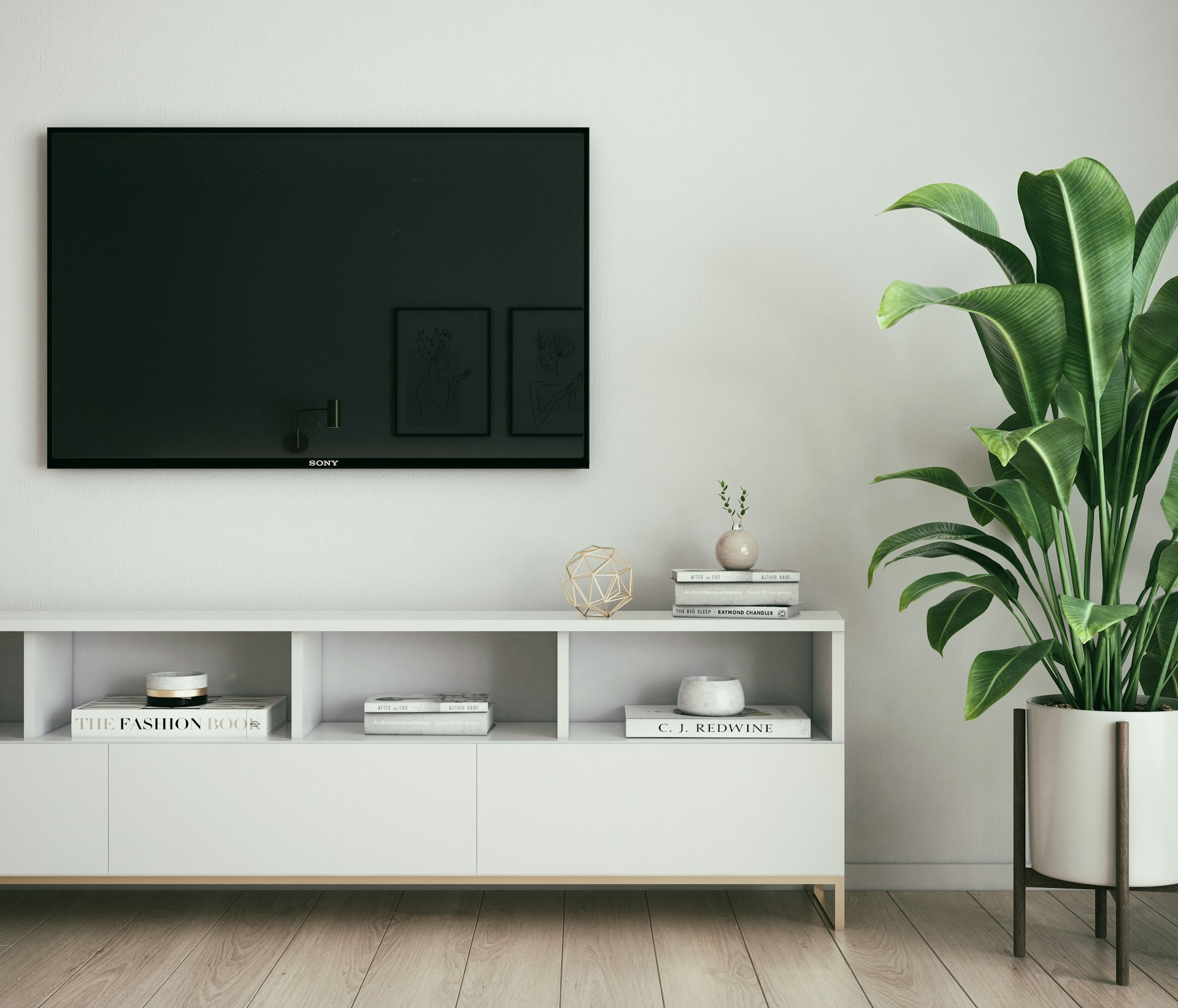
Smart home devices integrated with a modern satellite TV setup in a living room

Smart Home Upgrades That Pair Well With Modern Satellite TV Setups

Modern home entertainment is no longer limited to a television and a decoder. Today’s households are increasingly blending satellite TV systems with smart home technology to create more seamless, responsive, and convenient living environments. This shift is especially relevant for homeowners investing in professional setups such as DStv installation Cape Town, where connectivity, signal stability, and integrated control are becoming key expectations rather than optional extras.

As internet-enabled devices, voice assistants, and automation systems become more affordable, the line between traditional TV viewing and smart entertainment continues to blur. Viewers now expect their satellite TV experience to integrate smoothly with lighting, sound, security systems, and mobile control.

This growing ecosystem requires thoughtful planning. A modern home setup is not just about installing a dish and decoder; it’s about building a connected environment where all devices work together efficiently and reliably.

The Evolution of Satellite TV in Smart Homes

Satellite television has long been a reliable source of entertainment, but its role has evolved significantly. Instead of functioning as a standalone system, it now forms part of a broader digital ecosystem that includes streaming platforms, smart TVs, and home automation systems.

A well-planned installation ensures that satellite TV works alongside other connected devices without interference or performance issues. This is especially important in regions where professional services like DStv installation in Cape Town are in high demand due to varying building structures, weather conditions, and signal requirements.

Modern viewers expect more than just channel access. They want pause-and-play flexibility, on-demand integration, and the ability to switch between satellite and internet-based content without disruption.

To achieve this level of performance, homeowners are increasingly upgrading their systems with supporting smart home technology that enhances both usability and reliability.

Smart Connectivity as the Foundation of Entertainment Systems

At the core of any smart home upgrade is connectivity. Without stable and fast network infrastructure, even the most advanced satellite TV setup can feel limited.

A strong connection ensures that additional features like streaming apps, remote access, and multi-device control operate smoothly. In many cases, households pair satellite TV with broadband services to create a hybrid entertainment environment.

Key upgrades that improve performance include:

  • High-speed fibre internet for uninterrupted streaming
  • Mesh Wi-Fi systems to eliminate dead zones in larger homes
  • Dual-band routers for separating entertainment and general internet traffic

These improvements are especially beneficial in homes where multiple users are streaming, gaming, or watching satellite TV simultaneously.

Integrating Satellite TV With Smart Home Control Systems

Smart home integration allows users to control entertainment systems through centralized platforms. This includes mobile apps, smart remotes, and voice assistants that connect lighting, sound, and television into one coordinated system.

For example, users can dim lights, lower blinds, and switch on the TV with a single command or preset scene. This level of automation enhances comfort and creates a more immersive viewing experience.

When planning a setup that includes satellite TV, compatibility between devices becomes essential. Professional installers often ensure that receivers, smart hubs, and network devices communicate effectively without signal conflicts.

The process typically includes:

  1. Assessing existing wiring and network capacity
  2. Positioning satellite dishes for optimal signal reception
  3. Configuring decoder settings for network connectivity
  4. Linking smart home hubs with entertainment devices
  5. Testing multi-device automation for consistency

A well-executed integration reduces manual switching between systems and enhances overall user experience.

In many modern households, DStv installation services now include guidance on how to align satellite systems with smart home platforms, ensuring long-term usability as technology evolves.

Voice Assistants and Automated Viewing Experiences

Voice control has become one of the most popular smart home features. It allows users to interact with their entertainment systems without remote controls or manual navigation.

Devices such as smart speakers and virtual assistants can manage TV functions like switching channels, adjusting volume, or launching apps. When paired with satellite TV decoders that support smart integration, the result is a highly intuitive viewing experience.

Automation can also be extended to scheduled routines. For instance, a “movie night” setting might automatically:

  • Turn on the television
  • Adjust lighting levels
  • Activate surround sound systems
  • Switch to preferred satellite channels or streaming apps

This level of customization adds convenience while reducing friction between different entertainment sources.

Enhancing Audio-Visual Performance With Smart Add-Ons

Modern smart homes often extend beyond visual upgrades to include enhanced audio systems. Satellite TV setups benefit significantly from external sound systems such as soundbars, surround sound speakers, and wireless audio hubs.

These enhancements create a cinema-like environment at home, especially when paired with high-definition or ultra-HD satellite broadcasts.

Acoustic optimization is another important consideration. Furniture placement, wall materials, and speaker positioning all influence sound clarity. Smart systems can automatically calibrate audio output based on room size and layout.

This ensures that the viewing experience remains consistent across different spaces in the home.

Power Stability and Equipment Protection

Reliable power supply is often overlooked in entertainment system planning, yet it plays a critical role in protecting equipment and ensuring uninterrupted viewing.

Satellite decoders, routers, and smart home hubs are sensitive to power fluctuations. Without protection, sudden outages or voltage spikes can damage hardware or disrupt system configurations.

A stable setup typically includes:

  • Surge protectors for all electronic devices
  • Uninterruptible power supplies (UPS) for routers and decoders
  • Proper grounding for satellite dish installations
  • Backup power solutions for load-shedding conditions

These safeguards help maintain system stability and reduce the risk of data or configuration loss during power interruptions.

Creating a Seamless Multi-Room Viewing Experience

One of the most valuable smart home upgrades is the ability to extend satellite TV across multiple rooms. This eliminates the need for duplicate decoders and allows users to access content from different parts of the house.

Multi-room viewing is often achieved through network-based distribution systems or smart streaming devices connected to a central decoder.

A well-designed setup ensures:

  • Consistent picture quality across rooms
  • Synchronized content playback when needed
  • Independent control for different users
  • Reduced cable clutter and simplified infrastructure

This approach is particularly useful in larger homes or shared living environments.

Practical Smart Home Upgrades That Complement Satellite TV

When planning upgrades, homeowners should focus on solutions that enhance both convenience and performance without unnecessary complexity.

Common upgrades include:

  • Smart lighting systems for automated ambience control
  • Motorized blinds to improve viewing comfort
  • Integrated home security systems accessible through TV interfaces
  • Centralized smart hubs for managing all connected devices
  • Wireless casting tools for mobile-to-TV content sharing

Each of these additions contributes to a more unified and efficient entertainment environment, especially when combined with a professionally configured satellite system.

Maintaining Long-Term System Performance

Smart home and satellite TV integration requires ongoing maintenance to remain effective. Software updates, firmware upgrades, and periodic system checks help ensure everything continues to operate smoothly.

Users should also periodically review network performance and device compatibility as new technologies are introduced. Over time, upgrades may be required to maintain optimal speed and functionality.

Regular system evaluations also help identify potential weak points before they affect performance, ensuring a more stable long-term setup.

  • Keep firmware and decoder software updated regularly
  • Reboot network devices periodically to refresh connections
  • Check cable integrity and replace worn components
  • Review smart home automation rules for efficiency
  • Monitor signal strength and adjust dish alignment if needed

Final Considerations for Modern Entertainment Ecosystems

A modern home entertainment system is no longer defined by a single device or service. Instead, it is a coordinated ecosystem where satellite TV, internet connectivity, automation, and audio-visual enhancements work together.

When planned correctly, upgrades not only improve entertainment quality but also enhance convenience, energy efficiency, and long-term reliability. Satellite systems continue to play a strong role in this ecosystem, especially when integrated with thoughtful smart home solutions designed to evolve with user needs.